

Hospital security services in Illinois handle a workload most people never see: emergency department arrivals at 3 a.m., behavioral health holds, infant abduction protocols, and the daily traffic of visitors, vendors and clinicians moving through dozens of doors. At Extrity Security Services, we staff healthcare campuses across Chicago, Naperville and the surrounding Chicagoland corridors with officers trained for clinical environments, not generic post standing. This guide explains what specialized hospital and healthcare security actually covers, what it costs, and how to judge whether a provider is qualified.

Hospital Security Services in Illinois

Why Healthcare Security Is Its Own Discipline
A hospital is a public building, a workplace, a residence and a controlled-substance storage facility all at once. That combination creates risks that a standard commercial guard program is not built to handle, particularly in high-volume urban emergency departments.
The scale of the problem is well documented. According to the U.S. Bureau of Labor Statistics, healthcare and social assistance workers experience workplace violence injury rates several times higher than the private industry average, and emergency department nurses report verbal aggression as a near-daily occurrence.
Officers working these environments need to understand clinical workflow well enough to stay out of the way during a code, and clinical restraint policy well enough to know where their role stops. That distinction matters legally and medically.
Core Services for Illinois Hospitals and Health Systems
Most healthcare clients we work with in Chicagoland build their program from a combination of the following elements, scaled to campus size and patient volume:
- Access control point guard detail at main entrances, ED registration, labor and delivery, behavioral health units, pharmacy corridors and loading docks, with badge verification and visitor logging.
- Emergency room risk mitigation, including triage-area presence during peak hours (typically 6 p.m. to 3 a.m.), weapons screening support, and standby coverage for agitated or intoxicated patients.
- Conflict de-escalation using verbal intervention techniques aligned with CPI or similar crisis prevention training, so that physical intervention becomes a last resort rather than a first response.
- Mobile campus patrols covering parking structures, physician office buildings, ambulance bays and outlying medical office parks, usually on randomized interval routes.
- Escort services for staff walking to parking decks after evening and overnight shifts, a consistently requested benefit at suburban campuses in DuPage and Will counties.
- HIPAA-compliant incident response and documentation, where reports capture the security facts without recording protected health information beyond what policy allows.
Chicagoland and Regional Coverage
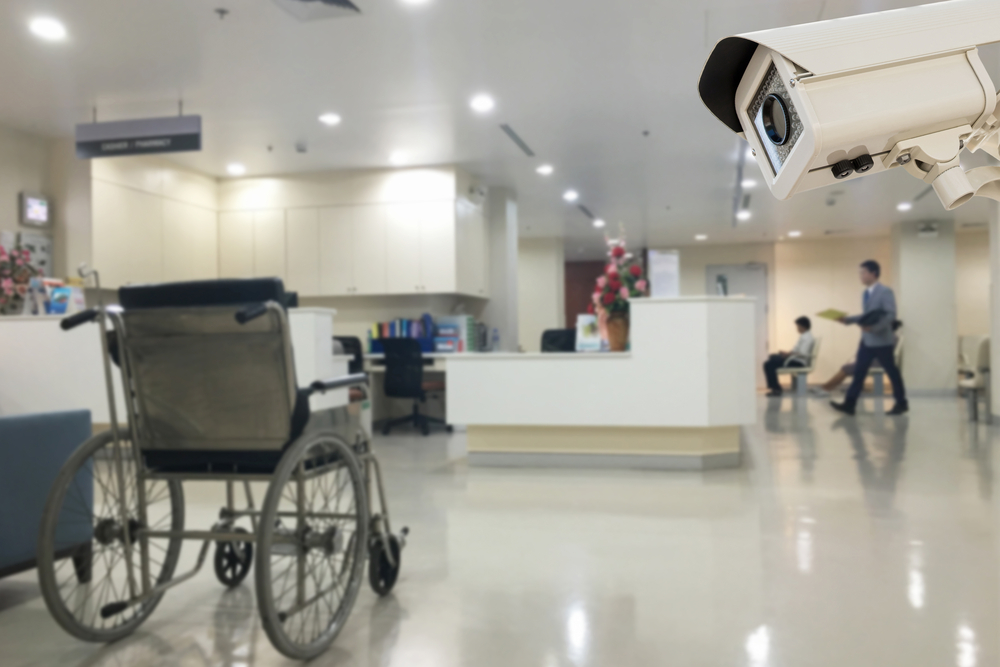
Urban hospitals in Chicago and suburban healthcare campuses in Naperville present different profiles. A Level I trauma center on the West Side deals with penetrating trauma arrivals, police custody patients and family crowd management in waiting areas.
A suburban campus along the I-88 corridor is more often managing sprawling surface parking, multiple detached medical office buildings, and after-hours access for a small overnight staff. We build post orders around those differences rather than issuing one template to every site.
Coverage extends across the collar counties, including Oak Brook, Aurora, Elmhurst, Joliet and the North Shore hospital corridor, along with urgent care networks and behavioral health clinics that need part-time posts rather than 24/7 staffing.
Compliance, Licensing and Documentation
Every officer working an Illinois healthcare post must hold a valid Permanent Employee Registration Card issued through the Illinois Department of Financial and Professional Regulation, and armed officers require additional firearm control card certification with periodic requalification.
Beyond state licensing, hospital clients pursuing Joint Commission accreditation need security documentation that supports their environment of care standards. That means legible, timestamped incident reports, a security risk assessment on file, and evidence of drills covering infant abduction, active threat and elopement scenarios.
We also expect officers to complete annual training on HIPAA basics, bloodborne pathogen awareness, and the boundaries of their authority when a patient is under a physician’s hold.

Frequently Asked Questions
Do hospital security officers in Illinois need to be licensed?
Should hospital security be armed or unarmed?
How quickly can a security program be staffed at a new campus?
Can security officers view patient information?
Do hospital security officers in Illinois need to be licensed?
Yes, all contract security officers must hold a Permanent Employee Registration Card (PERC) from IDFPR, which requires a fingerprint-based background check and 20 hours of basic training. Armed officers need a separate firearm control card plus annual requalification.
Should hospital security be armed or unarmed?
Most Illinois hospitals use primarily unarmed officers, with armed coverage limited to specific posts such as trauma-center emergency departments or overnight perimeter patrol. The decision usually follows a written security risk assessment reviewed by the facility’s safety committee.
How quickly can a security program be staffed at a new campus?
A typical hospital post can be staffed within 14 to 21 days, assuming licensed officers are available and orientation requirements are straightforward. Sites requiring badge issuance, EMR system familiarity or facility-specific clinical training generally need three to four weeks.
Can security officers view patient information?
Officers may access only the minimum information necessary to perform a security function, such as a patient name and room number for a standby request. Contract security staff working in hospitals are treated as business associates under HIPAA and should be covered by a signed business associate agreement.
What Hospital Security Costs in Illinois
Unarmed healthcare officer rates in the Chicago market typically run in the $28 to $38 per hour range, while armed posts and supervisory positions generally fall between $40 and $58 per hour. Rates vary with shift differential, contract length and required certifications.
A single 24/7 unarmed post requires roughly 168 hours of coverage weekly, so most hospitals budget per post rather than per officer. Facilities that combine a fixed ED post with scheduled mobile patrol coverage often reduce total spend compared with staffing every entrance separately.
Talk to Extrity About Your Hospital Security Program
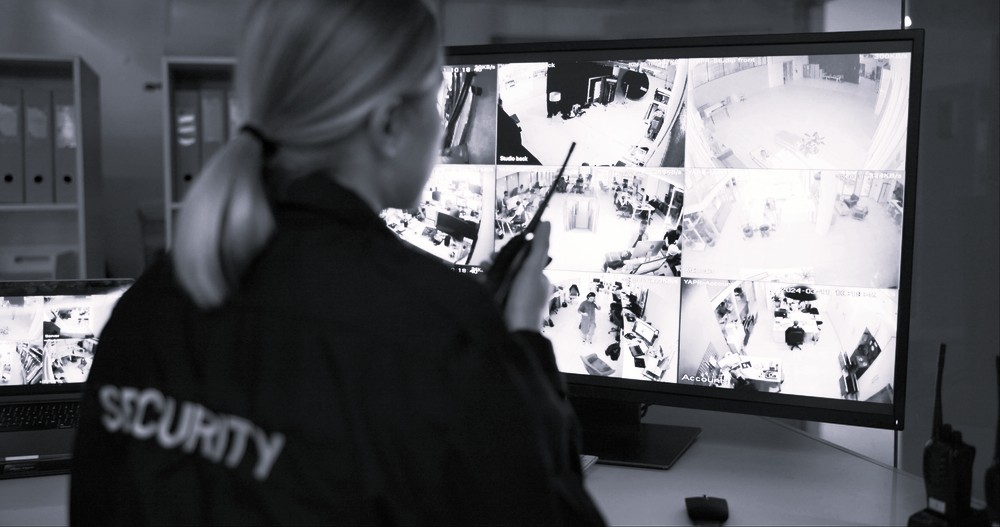
If your emergency department volume has outgrown your current coverage, or your Joint Commission survey flagged gaps in security documentation, we can walk your campus and put a staffing plan in writing. Contact Extrity Security Services to schedule a site assessment in Chicago, Naperville or anywhere in the Chicagoland region.
Your Trusted Partner for Security
When security matters, experience counts. Reach out to Extrity Services for professional security guard services.